Early Diabetes Symptoms: Warning Signs and When to See a Doctor
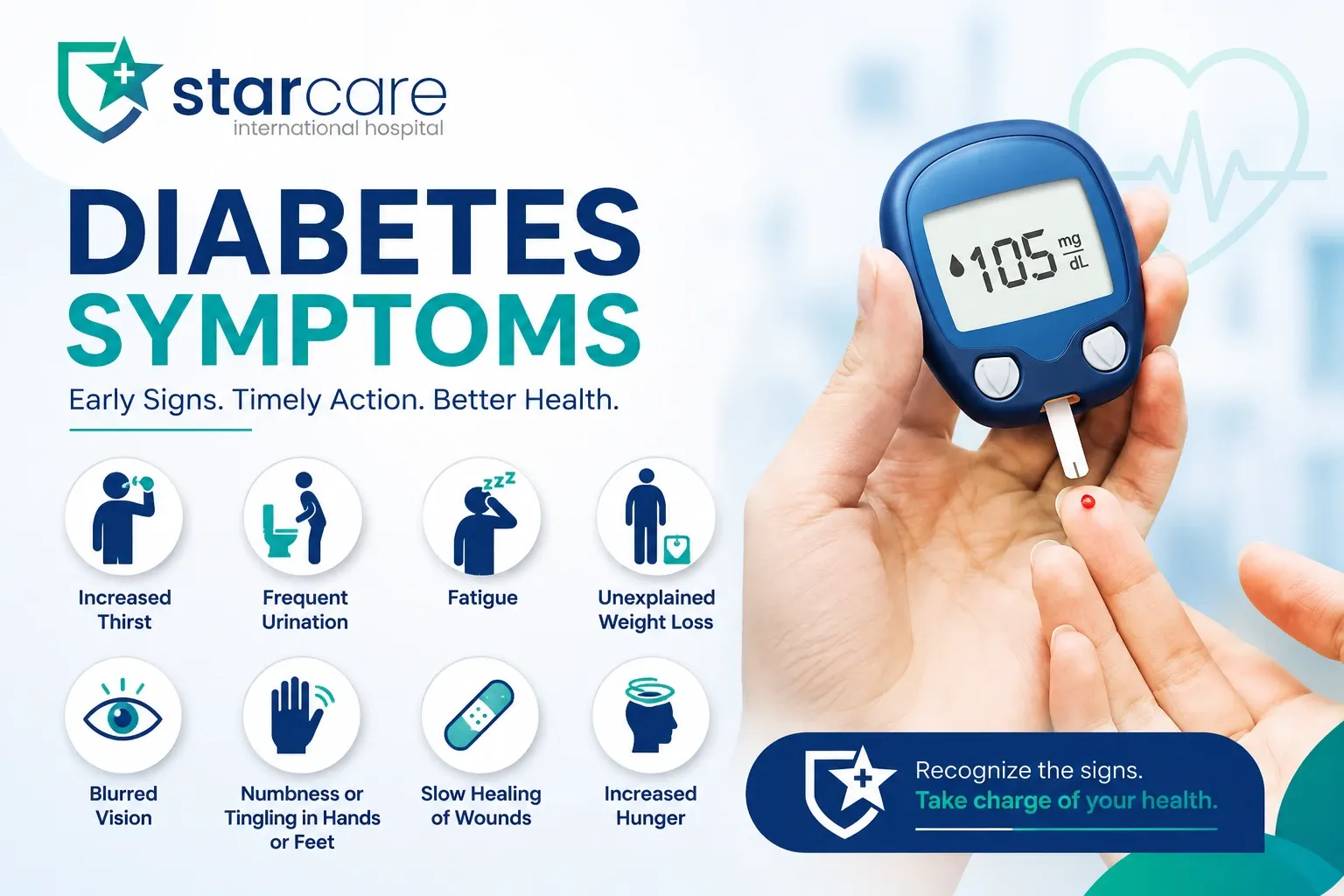
Diabetes often develops silently, with early symptoms like excessive thirst, fatigue, frequent urination, and unexplained weight loss going unnoticed for months. This guide breaks down the key warning signs of diabetes, explains how type 2 symptoms typically progress, and includes a normal blood sugar levels chart to help readers understand fasting, post-meal, and HbA1c ranges. It also covers major risk factors and outlines when symptoms call for urgent medical attention, encouraging early screening through Starcare Hospital's diabetes care team.
Early Diabetes Symptoms: Warning Signs and When to See a Doctor
Diabetes is one of the most common chronic health conditions worldwide, yet many people glive with it for months or even years before they're diagnosed. That's because the early diabetes symptoms are often mild, easy to dismiss, or mistaken for everyday tiredness or stress. Recognizing these warning signs early can make a real difference in how the condition is managed and in preventing long-term complications affecting the heart, kidneys, eyes, and nerves.
At Starcare Hospital, our endocrinology and internal medicine teams regularly see patients who only sought help after symptoms became severe. This guide walks you through the early signs of diabetes, how type 2 diabetes symptoms typically differ, what a normal blood sugar levels chart looks like, and when it's time to consult a doctor.
What Is Diabetes?
Diabetes is a metabolic condition in which the body either doesn't produce enough insulin or can't use insulin effectively, leading to elevated blood sugar (glucose) levels. Over time, consistently high glucose can damage blood vessels and organs. There are three main types:
- Type 1 diabetes – an autoimmune condition where the pancreas produces little or no insulin, often diagnosed in children and young adults.
- Type 2 diabetes – the most common form, where the body becomes resistant to insulin or doesn't produce enough of it, usually developing gradually in adults.
- Gestational diabetes – a temporary form that occurs during pregnancy.
Understanding these distinctions matters because warning signs can appear differently depending on the type and how quickly blood sugar rises.
Early Signs of Diabetes You Shouldn't Ignore
The early signs of diabetes tend to develop slowly, especially in type 2 diabetes, which is why they're so frequently overlooked. Here are the most common warning signs to watch for:
1. Increased Thirst and Frequent Urination
When blood sugar rises, the kidneys work overtime to filter and absorb excess glucose. When they can't keep up, glucose is excreted into urine, pulling fluids from tissues along with it. This causes excessive thirst and more frequent trips to the bathroom, particularly at night.
2. Persistent Fatigue
Feeling unusually tired, even after adequate rest, is one of the most common early symptoms. Since glucose isn't being converted into energy efficiently, cells are essentially starved of fuel, leaving you drained throughout the day.
3. Unexplained Weight Loss
Sudden, unintentional weight loss—despite normal or increased appetite—can be an early sign of diabetes, especially type 1. The body starts breaking down muscle and fat for energy when it can't use glucose properly.
4. Increased Hunger
Despite eating regularly, people with early diabetes often feel persistently hungry. This happens because cells aren't receiving the glucose they need, signaling the brain to seek more fuel.
5. Blurred Vision
High blood sugar can cause the lens of the eye to swell, leading to temporary blurred vision. This symptom often resolves once blood sugar is brought under control but shouldn't be ignored.
6. Slow-Healing Wounds and Frequent Infections
Elevated glucose levels impair circulation and immune response, making cuts, bruises, and infections take longer to heal. Recurring skin, gum, or urinary tract infections are also common early indicators.
7. Tingling or Numbness in Hands and Feet
Nerve damage caused by prolonged high blood sugar, known as diabetic neuropathy, can cause tingling, numbness, or a "pins and needles" sensation, usually starting in the extremities.
8. Darkened Skin Patches
A condition called acanthosis nigricans—dark, velvety patches of skin, often around the neck or armpits—can signal insulin resistance, a precursor to type 2 diabetes.
Type 2 Diabetes Symptoms: What Makes Them Different
Type 2 diabetes symptoms typically develop gradually over several years, which is why many people don't notice anything unusual until routine blood work reveals elevated glucose. Common warning signs include:
- Fatigue and low energy throughout the day
- Frequent urination, especially at night
- Increased thirst and dry mouth
- Blurred vision
- Slow wound healing
- Recurring infections
- Tingling in hands or feet
Because these signs are often subtle, routine screening—particularly for those with risk factors like obesity, a sedentary lifestyle, family history, or high blood pressure—is essential for early detection.
Normal Blood Sugar Levels Chart
Understanding a normal blood sugar levels chart can help you interpret your test results and recognize when levels fall outside a healthy range. General guidelines (for non-pregnant adults) are:
Blood sugar levels can be classified into normal, prediabetes, and diabetes ranges based on different blood tests. For fasting blood sugar, a normal level is between 70–99 mg/dL, while 100–125 mg/dL indicates prediabetes, and 126 mg/dL or higher may indicate diabetes. For a blood sugar test taken 2 hours after eating, a level below 140 mg/dL is considered normal, 140–199 mg/dL indicates prediabetes, and 200 mg/dL or higher indicates diabetes. The HbA1c test, which reflects the average blood sugar level over the past three months, is considered normal when it is below 5.7%, indicates prediabetes at 5.7%–6.4%, and indicates diabetes at 6.5% or higher. For a random blood sugar test, a level below 140 mg/dL is generally considered normal, while a level of 200 mg/dL or higher, along with symptoms of diabetes, may indicate diabetes.
These figures serve as a general reference. Individual targets can vary based on age, pregnancy status, and existing health conditions, so results should always be interpreted by a qualified physician rather than compared casually against a chart.
Risk Factors That Increase Your Chances of Developing Diabetes
While anyone can develop diabetes, certain factors raise the risk significantly:
- Being overweight or obese
- A sedentary lifestyle with little physical activity
- Family history of diabetes
- Age over 45
- High blood pressure or abnormal cholesterol levels
- History of gestational diabetes
- Polycystic ovary syndrome (PCOS)
If you fall into one or more of these categories, periodic screening—even without obvious warning signs—is a wise precaution.
When to See a Doctor
You should schedule a checkup if you notice any combination of the early signs of diabetes described above, particularly increased thirst, frequent urination, fatigue, or unexplained weight changes. Certain symptoms warrant urgent medical attention, including:
- Rapid, unexplained weight loss
- Persistent vomiting or difficulty breathing
- Fruity-smelling breath
- Confusion or extreme drowsiness
- Very high or very low blood sugar readings if you're already diagnosed
Early diagnosis allows for timely lifestyle changes, medication, or insulin therapy, significantly reducing the risk of long-term complications. At Starcare Hospital, our diabetes care team offers comprehensive screening, HbA1c testing, and personalized management plans designed around each patient's lifestyle and risk profile. If you're experiencing any warning signs, don't wait for symptoms to worsen—early evaluation is one of the simplest ways to protect your long-term health.
Frequently Asked Questions (FAQ)
1. What are the very first signs of diabetes? The earliest diabetes symptoms usually include increased thirst, frequent urination, fatigue, and unexplained hunger. These often develop gradually, especially in type 2 diabetes.
2. Can these warning signs appear suddenly? Yes, particularly in type 1 diabetes, symptoms like extreme thirst, rapid weight loss, and fatigue can appear within days or weeks. Type 2 diabetes tends to build up more slowly.
3. What is considered a normal blood sugar level? A normal fasting blood sugar level is typically between 70–99 mg/dL, while a normal reading two hours after eating should be below 140 mg/dL.
4. Is blurred vision always a sign of diabetes? Not necessarily, but persistent blurred vision combined with other symptoms like fatigue or frequent urination should prompt a blood sugar check.
5. Can early signs of diabetes be reversed? In many prediabetes cases, lifestyle changes such as improved diet, regular exercise, and weight management can restore blood sugar to a normal range and delay or prevent full-blown diabetes.
6. When should I get tested for diabetes? If you notice any warning signs or have risk factors like obesity, family history, or high blood pressure, consult your doctor about fasting glucose or HbA1c testing.
7. Does Starcare Hospital offer diabetes screening? Yes, Starcare Hospital provides complete diabetes screening, including blood glucose testing, HbA1c analysis, and consultations with experienced endocrinologists to help patients manage or prevent diabetes effectively.
This article is intended for general informational purposes and should not replace professional medical advice. If you're experiencing diabetes symptoms, consult a qualified healthcare provider or visit Starcare Hospital for proper diagnosis and personalized care.
News & Updates...

Children experience a range of common health concerns, from fevers and respiratory infections to stomach problems, allergies, and developmental challenges. Knowing which symptoms are normal and which require prompt medical attention is an important part of keeping your child healthy. This blog explores common childhood illnesses, warning signs that may require emergency care, and the importance of age-appropriate examinations, weight-based medication dosing, immunisations, growth monitoring, and developmental assessments. Discover how Starcare Hospital's pediatric services focus on family-centred care, careful diagnosis, preventive health, and timely treatment to support children through every stage of development.
Finding the best hospital in Ikeja for your family isn't just about choosing the closest facility. It's about finding a healthcare provider that offers qualified doctors, reliable emergency services, transparent billing, and care tailored to your family's needs. This blog explores the key factors to consider when choosing a hospital in Ikeja, including HEFAMAA registration, MDCN-registered consultants, specialist departments, on-site diagnostics, HMO coverage, and genuine 24-hour emergency capabilities. Discover how Starcare Hospital focuses on consultant-led care, patient safety, transparent pricing, and consistent healthcare services to support families in Ikeja and across Lagos.